 Reviews


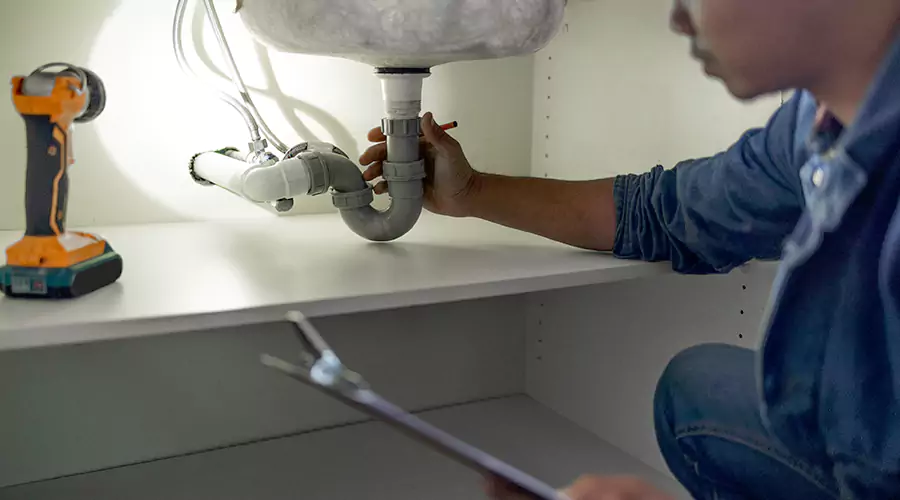
Your plumbing system changes with the seasons. Winter can freeze pipes, spring rains place extra stress on sump pumps and drains, summer increases household water use, and fall is the ideal time to prepare before cold weather returns. A seasonal maintenance plan helps protect your home, prevent emergencies, and extend the life of your fixtures and appliances, making regular Plumbing Maintenance an essential part of keeping the entire system reliable year-round.
This guide gives you a clear checklist for every season, plus a few quick habits that make a big difference year round.
Why Seasonal Plumbing Maintenance Matters?
Seasonal maintenance helps you:
- Catch leaks before they cause water damage
- Prevent clogged drains and sewer backups
- Avoid frozen pipes and burst lines
- Protect water heaters and appliances
- Keep water pressure stable
- Reduce surprise repair bills
You do not need to do everything at once. Use these checklists as a routine you repeat each year.
Spring Plumbing Checklist
Spring is about inspection and recovery after winter. It is also when rain and groundwater can create basement and drain problems.
1) Test Your Sump Pump
- Pour a bucket of water into the pit.
- Confirm the float rises and the pump turns on.
- Verify water discharges away from the foundation.
If the pump struggles, runs nonstop, or makes grinding noises, schedule service.
2) Check for Winter Damage
- Cracks or drips at outdoor faucets
- Leaks under sinks
- New stains on ceilings or walls
- Damp basement corners
A small leak can become a big issue when humidity rises.
3) Clean Faucet Aerators and Showerheads
- Remove aerators and rinse debris.
- Soak in vinegar if you see scale buildup.
4) Inspect Drains and Floor Drains
- Run water in sinks, tubs, and showers.
- Look for slow draining or gurgling.
- Pour water into floor drains to keep traps full and block sewer odors.
Summer Plumbing Checklist
Summer often means higher usage. Yard watering, guests, and more laundry can strain plumbing.
1) Check Outdoor Faucets and Hoses
- Tighten loose connections.
- Replace worn washers.
- Inspect hoses for cracks.
2) Inspect Irrigation and Sprinklers
- Soggy spots in the yard
- Extra green patches
- Sprinkler heads spraying sidewalks
- Water pooling near valves
3) Watch Your Water Bill
A summer spike can come from irrigation leaks, running toilets, or outdoor faucet drips. If the bill increases sharply, perform a water meter test.
4) Prevent Kitchen Drain Buildup
- Never pour grease down the sink.
- Use strainers.
- Run cold water with the garbage disposal.
Fall Plumbing Checklist
Fall is your preparation season. Doing small tasks now prevents winter emergencies.
1) Winterize Outdoor Plumbing
- Disconnect hoses.
- Shut off interior valves to outdoor spigots if available.
- Open outdoor faucets to drain water.
- Install insulated faucet covers.
2) Inspect and Insulate Exposed Pipes
- Crawl spaces
- Garages
- Basements
- Attics
Add foam insulation sleeves or heat tape where needed.
3) Service Your Water Heater
- Look for corrosion or moisture.
- Check for unusual noises.
- Confirm temperature is around 120'F.
If you have not flushed the tank in a long time, schedule maintenance.
4) Clear Gutters and Improve Drainage
- Clean debris.
- Confirm downspouts send water away from the foundation.
This reduces basement moisture and sump pump workload.
Winter Plumbing Checklist
Winter focuses on preventing freezing, managing pressure, and reducing risk when temperatures drop.
1) Protect Pipes from Freezing
- Keep indoor heat stable.
- Open cabinet doors under sinks on exterior walls.
- Seal drafts near pipes.
- During extreme cold, let vulnerable faucets drip slowly.
2) Know Your Shutoff Valves
- Locate the main shutoff valve.
- Locate shutoffs under sinks and behind toilets.
3) Watch for Early Warning Signs
- No water or weak flow at one faucet
- Frost on exposed pipes
- Strange odors near drains
- New damp spots near walls
4) Vacation and Travel Steps
- Keep heat above 55'F.
- Shut off the main water if possible.
- Ask someone to check the home.
Year-Round Habits That Prevent Plumbing Issues
Monthly Quick Check
- Look under sinks for moisture.
- Listen for running toilets.
- Check around the water heater.
Drain Prevention Basics
- Use strainers.
- Keep grease out of drains.
- Do not flush wipes.
Replace High-Risk Supply Lines
- Replace rubber washing machine hoses every five years.
- Upgrade to braided hoses.
A Simple Seasonal Maintenance Calendar
Spring
- Test sump pump
- Clean aerators
- Check drains and floor drains
- Inspect for winter damage
Summer
- Inspect irrigation
- Check hoses and outdoor faucets
- Monitor water bill
- Prevent drain buildup
Fall
- Winterize outdoor plumbing
- Insulate exposed pipes
- Water heater check
- Clear gutters and downspouts
Winter
- Prevent freezing
- Monitor pressure and leaks
- Prepare for travel
When to Call a Licensed Plumber?
Safety Note: Call a licensed plumber if you have sewage odors that persist, backups in multiple fixtures, water meter movement when all water is off, leaks in walls or ceilings, or water heater leaks. For freezing conditions, call a plumber if pipes are frozen or you suspect a burst line.
Final Thoughts
Seasonal plumbing maintenance keeps your home safer, your plumbing more reliable, and your repair costs lower. Follow these seasonal checklists, build simple monthly habits, and schedule professional service when warning signs appear.
Want a professional seasonal checkup? Contact a licensed plumbing company to inspect your system, identify risks, and help you stay ahead of costly repairs.
Frequently Asked Questions
How long does seasonal plumbing maintenance take?
Most seasonal checklists take 30 to 60 minutes if no repairs are needed. Professional inspections may take one to two hours.
Do I need a professional inspection every year?
Most homes benefit from an annual plumbing inspection, especially older homes and homes with hard water.
Should I flush my water heater every year?
Many homes should flush once per year, particularly in hard water areas. If you have a tankless unit, yearly descaling may be necessary.
How do I prevent sewer backups?
Do not flush anything except toilet paper, keep grease out of drains, and schedule a sewer camera inspection if you have recurring clogs or mature trees near the line.
What is the fastest way to confirm a hidden leak?
Use the water meter test. If the meter changes when all water is off, you likely have a leak or a running fixture.